The jurisdiction you choose for the holding layer matters far less than whether the structure has genuine substance and a clear legal rationale. A well-documented Cayman structure beats a poorly maintained BVI company every time a tax authority comes asking.
What an Offshore Holding Company Actually Does
A holding company owns shares or membership interests in one or more operating subsidiaries. It receives dividends, royalties, or capital gains from those subsidiaries, holds IP or real estate, and provides a clean legal barrier between active business risk and accumulated wealth. Done correctly, profits can pool at the holding level in a low-tax or zero-tax jurisdiction before being distributed to the ultimate owner, often with a lower effective tax rate than if earned directly.
Choosing the Right Jurisdiction for the Holding Layer
The British Virgin Islands and Cayman Islands are the two most common holding jurisdictions globally, and for good reason. A BVI Business Company costs roughly $1,500 to $2,500 per year all-in including registered agent fees, pays zero corporate tax, and keeps beneficial ownership off public registers. Cayman exempted companies run closer to $3,000 to $5,000 annually and are preferred when institutional investors or fund structures are involved. Cyprus and Malta are EU-based alternatives used when treaty access into Europe matters, with statutory corporate rates of 12.5% and 5% effective respectively under their participation exemption regimes. Singapore works well for Asia-Pacific holding structures where substance requirements can be met cost-effectively.
How the Layers Connect: Operating Entity Below, Trust or Foundation Above
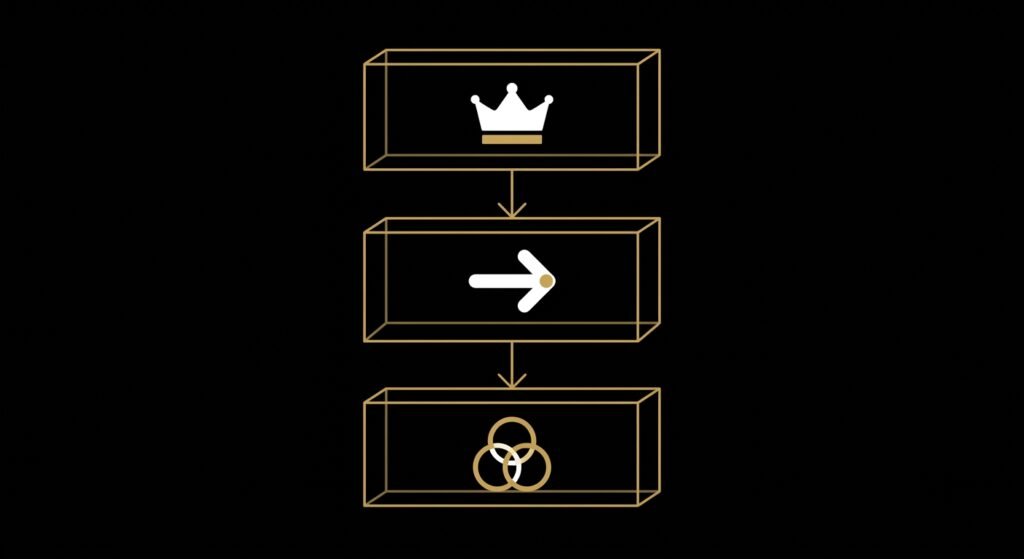
A functional offshore structure typically has three layers. At the bottom sits the operating entity, often a US LLC, a UK Ltd, or an Irish company, which generates revenue and pays deductible expenses. The middle layer is the offshore holding company, which owns the operating entity and receives dividends or royalties. Above that sits a discretionary trust or private foundation in a jurisdiction like the Cook Islands, Liechtenstein, or Panama, which owns the holding company shares and provides asset protection and succession planning. This top layer removes the holding company from the owner's personal estate for both creditor and inheritance tax purposes.
Using a US Entity in the Structure
Many founders keep a US-facing entity for contracts, banking, and credibility, then pair it with an offshore holding company that owns the IP, brand, or equity. A Wyoming LLC is a common choice for the US layer because it has no state income tax, strong charging-order protection, and no public disclosure of members. If you are a non-resident owner, the specific filing and withholding obligations for a Wyoming LLC differ from what a US person faces, and you need to understand them before you build the structure around it. The Wyoming LLC can sit as a disregarded entity for US tax purposes while the offshore parent handles profit accumulation in a zero-tax environment.
Substance Requirements and the Risk of Ignoring Them
Post-BEPS, simply incorporating in the BVI or Cayman and doing nothing else is increasingly problematic. The EU blacklist and OECD pressure have pushed most offshore jurisdictions to introduce economic substance rules that require holding companies to have genuine decision-making occurring locally for certain categories of income. For pure equity holding companies, the bar is relatively low: a local registered agent and evidence that board decisions are made in the holding jurisdiction often suffice. For IP holding or finance and leasing income, the requirements are materially higher and may require local directors with real authority, physical office space, and local staff. Ignoring substance rules exposes the structure to reclassification by your home country tax authority.
Costs and Timeline to Expect
Formation of a BVI or Cayman holding company typically takes five to ten business days and costs $1,500 to $3,000 in government and agent fees. Annual maintenance, including registered agent, registered office, and any local nominee director fees, runs $2,000 to $6,000 per year depending on jurisdiction and complexity. Adding a Cook Islands trust above the structure adds $5,000 to $10,000 to set up and $3,000 to $5,000 per year to maintain. Professional fees for the lawyers and accountants who design and document the structure properly are separate and typically run $5,000 to $20,000 for initial structuring work. Total first-year cost for a properly documented three-layer structure is realistically $15,000 to $40,000.
Things people ask first.
What is the best jurisdiction for an offshore holding company?
The BVI is the default for most small to mid-size private structures because of its low cost, zero tax, and flexible corporate law. Cayman is preferred for fund structures and institutional capital. Cyprus or Singapore make sense when treaty access or regional substance requirements push you toward a higher-cost but more defensible jurisdiction.
Does an offshore holding company eliminate my home country tax?
Not automatically. Most high-tax countries have controlled foreign corporation rules that attribute offshore profits back to resident shareholders in certain circumstances. The structure needs to be designed around your specific residency and citizenship situation, not just the jurisdiction's local tax rate.
How many entities do I actually need?
A minimal functional structure is two entities: one operating company and one offshore holding company. The third layer, a trust or foundation, is optional but adds meaningful asset protection and estate planning benefits. Adding more layers beyond three rarely adds proportional value and increases annual costs significantly.
Can a non-US person use a US LLC inside an offshore holding structure?
Yes, and it is common. A Wyoming or Delaware LLC owned by an offshore holding company can be treated as a disregarded entity for US federal tax purposes, meaning the LLC itself pays no US corporate tax if the foreign parent is structured correctly and the LLC has no effectively connected US-source income.
What are nominee directors and do I need them?
Nominee directors are local professionals who appear on public filings as directors of the offshore company while the beneficial owner retains control through signed undated resignations and directors' resolutions. They are used in jurisdictions with public director registers to preserve privacy, but they add cost and require careful legal documentation to retain actual control.
How long does it take to set up an offshore holding structure?
The offshore company itself can be formed in five to ten business days. The full structure, including trust deed, shareholder agreements, IP assignments, and banking setup, typically takes six to twelve weeks when attorneys are moving efficiently.
Ready to build a holding structure that holds up under scrutiny?
The Offshore Playbook walks through exactly how BVI, Cayman, and trust layers connect, with real cost breakdowns, substance checklists, and the sequencing errors that cause structures to collapse on audit. gramps.chat can answer your specific jurisdiction questions directly.
Get the Offshore Playbook